Cholesterol is a soft, waxy substance found in our blood and our body cells. It is essential to life as a critical ingredient in the maintenance of the integrity of our body cell membrane. It is also an important ingredient in the production of steroid hormones, and bile salts for dietary fat digestion.
Cholesterol can be obtained from the diet or it can be produced by our own liver and intestine. The level of cholesterol in our blood in finely balanced by our body and any excess amount is broken down and excreted by the liver. This fine balance can be overwhelmed leading to high blood cholesterol level, hypercholesterolaemia. A common cause of high blood cholesterol is too much saturated fat in the diet. There could be life style, disease and genetic factors involved as well.
High blood cholesterol is a major risk factor in the development of atherosclerosis. Atherosclerosis is the hardening and narrowing of the arteries due to fatty build ups, atherosclerotic plaques in the walls of the arteries reducing the ease of blood flow through the arteries. In severe cases, this could lead to the complete blockage of an artery resulting in a heart attack. Atherosclerosis is a major risk factor for coronary heart disease which leads to heart attack and stroke.
The Good and the Bad Lipoproteins
Cholesterol can not dissolve in the blood. They have to be carried to and from the body cells in the blood by lipoproteins, the fat carriers. There are 6 different types of lipoproteins. The most important ones who have a direct implication on the development of atherosclerosis are Low-density lipoproteins (LDL) and High-density lipoproteins (HDL).
LDL is produced by the liver cells. It’s major component is cholesterol. LDL carry cholesterol from the liver to those body cells which require it for the maintenance of their cell membrane and for steroid hormones production. High level of LDL in the blood is a major risk factor atherosclerosis. Hence the nickname the bad lipoproteins.
HDL are the good lipoproteins in our body. It’s major component is also cholesterol. But HDL are responsible for carrying cholesterol from non-liver body tissues and possibly even atherosclerotic plaques back to the liver for excretion in the bile.
The New Zealand Heart Foundation recommend the following cholesterol levels for coronary heart disease prevention:
| Lipids |
|
| Total cholesterol |
<4 mmol/L* |
| LDL cholesterol |
<2.5 mmol/L* |
| HDL cholesterol |
=>1 mmol/L |
| Total cholesterol/HDL ratio |
<4.5 |
| Triglycerides |
<1.7 mmol/L |
* Lower lipid targets are appropriate for people after coronary artery bypass surgery (TC <3.5mmol/L or LDL-C <2.0 mmol/L)
Risk factors
The most important factors in the development of high blood cholesterol levels are:
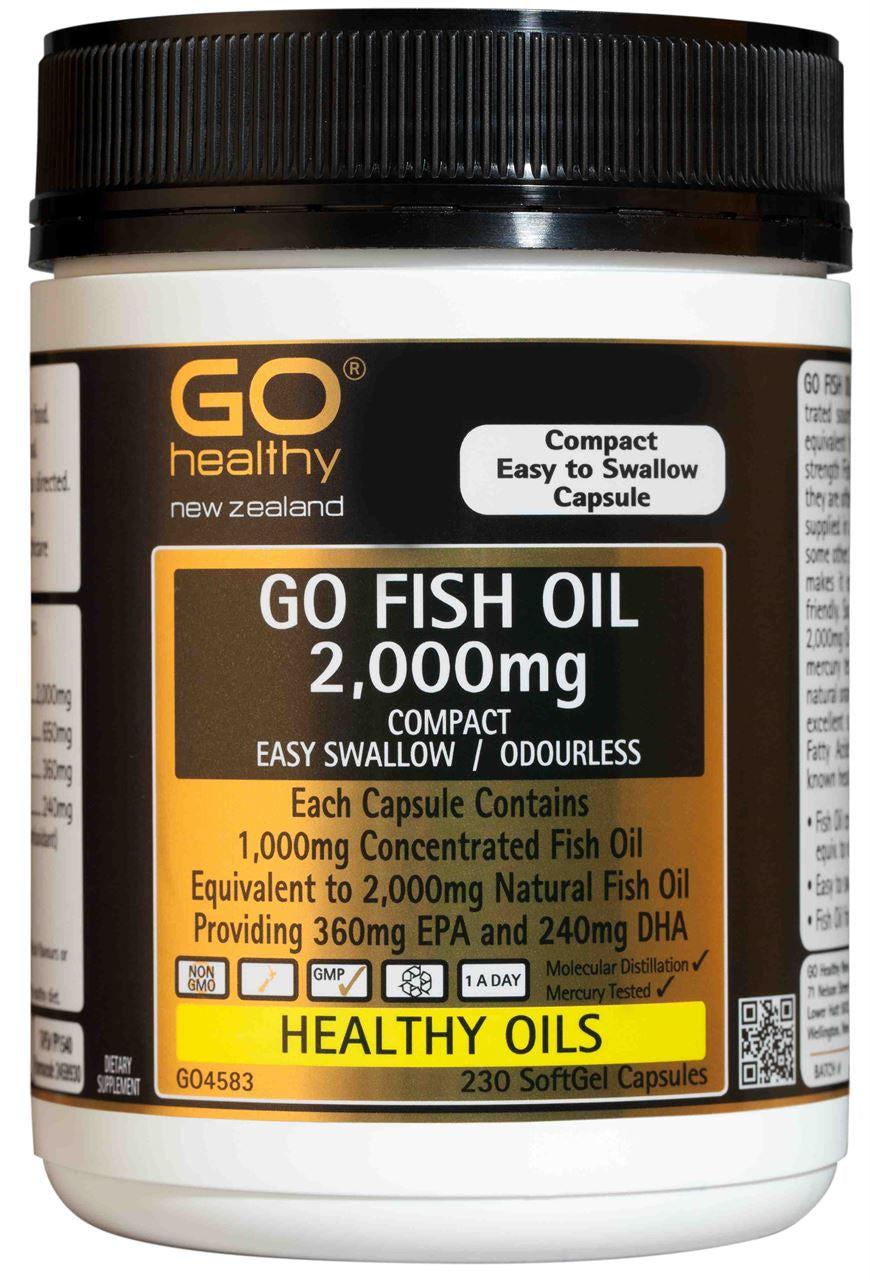
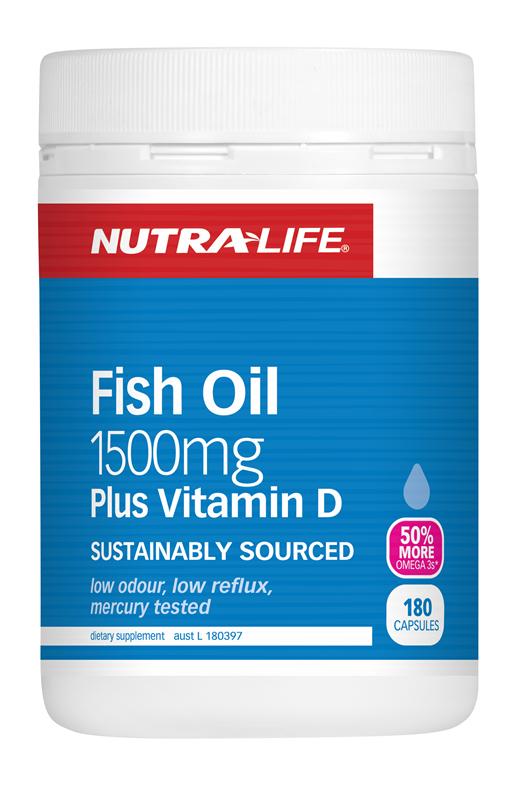
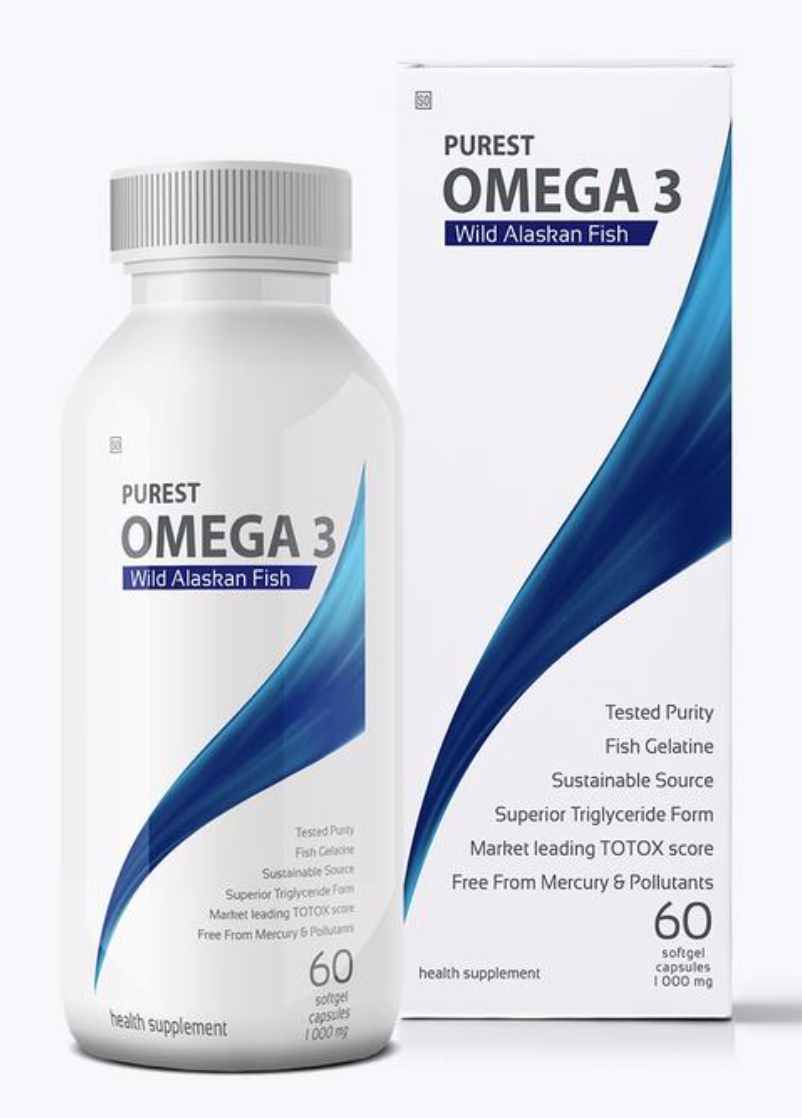
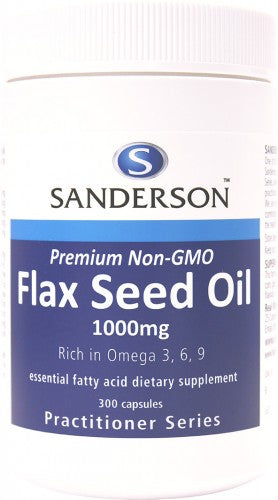
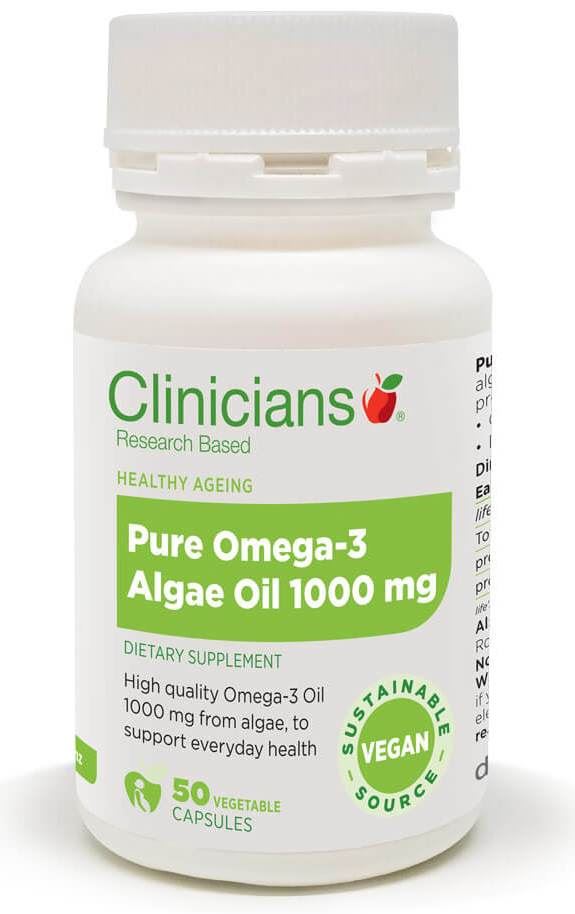
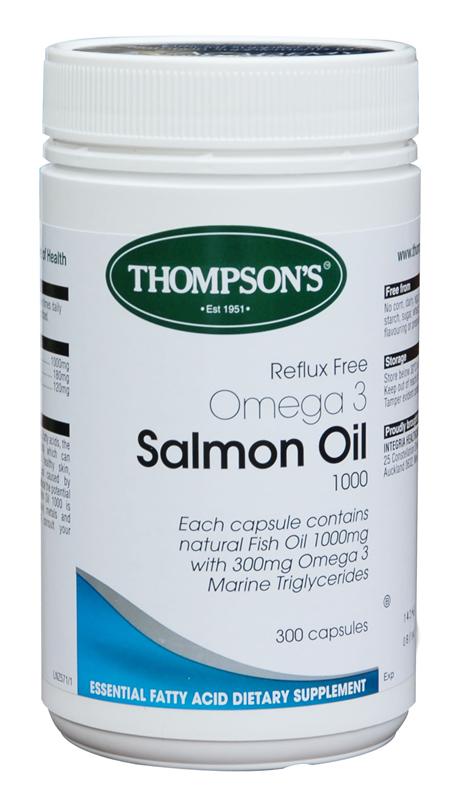
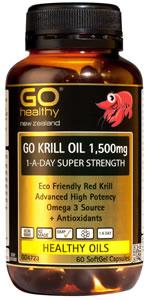
- Diet. A common cause of high blood cholesterol level in New Zealand is a high saturated fat diet. High saturated fat diet E.g butter, animal fat raises the LDL level. On the other hand, diets in which saturated fat is replaced by monounsaturated fat e.g. olive oil, or polyunsaturated fat (fish, corn oil) lower the LDL levels. The omega 3 polyunsaturated fatty acids have a well reported LDL lowering effect.
- Genetic factors. The New Zealand Heart Foundation report that 1 in 500 people in New Zealand have high blood cholesterol level because they are genetically exposed to developing hypercholesterolaemia.
- Diseases such as diabetes, under active thyroid gland have been known to cause hypercholesterolaemia.
- Lack of physical activity and obesity. Regular exercising helps to increase the HDL level.
- Smoking decreases HDL level
Self Help
There are a number of self help options available to help to keep our blood cholesterol level under control.
- Diet. One of the most effective self help options. The New Zealand Heart Foundation’s Nine steps to eating for a healthy heart focus on reducing the amount of saturated fat in our diet:
- Enjoy three meals a day, selecting from dishes that encourage you to eat plant foods and fish, with little or no dairy fat, meat fat or deep fried foods.
- Choose fruits and/or vegetables at every meal and most snacks.
- Select whole grains, whole grain breads, or high fibre breakfast cereals in place of white bread and low fibre varieties at most meals and snacks.
- Include fish, or dried peas, beans and soy products, or a small serving of lean meat or skinned poultry, at one or two meals each day.
- Choose low fat milk, low fat milk products, soy or legume products every day.
- Use small amounts of oil, margarine, nuts or seeds.
- Drink plenty of fluids each day, particularly water, and limit sugar-sweetened drinks and alcohol.
- Use only small amounts of total fats and oils, sugar and salt when cooking and preparing meals, snacks, or drinks. Choose ready-prepared foods low in these ingredients.
- Mostly avoid or rarely include butter, deep-fried and fatty foods, and only occasionally choose sweet bakery products.
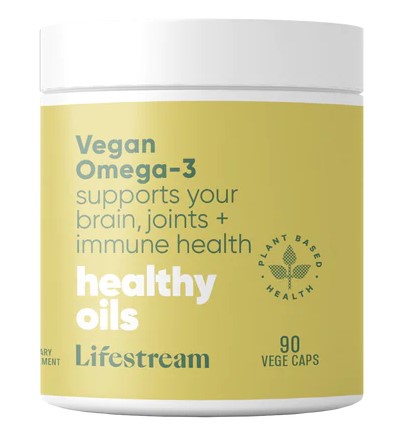
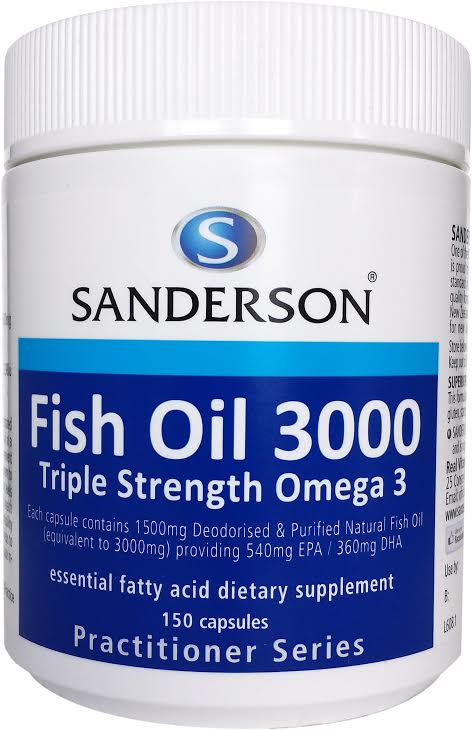
- Omega 3 polyunsaturated fatty acids have a well reported LDL lowering effect.
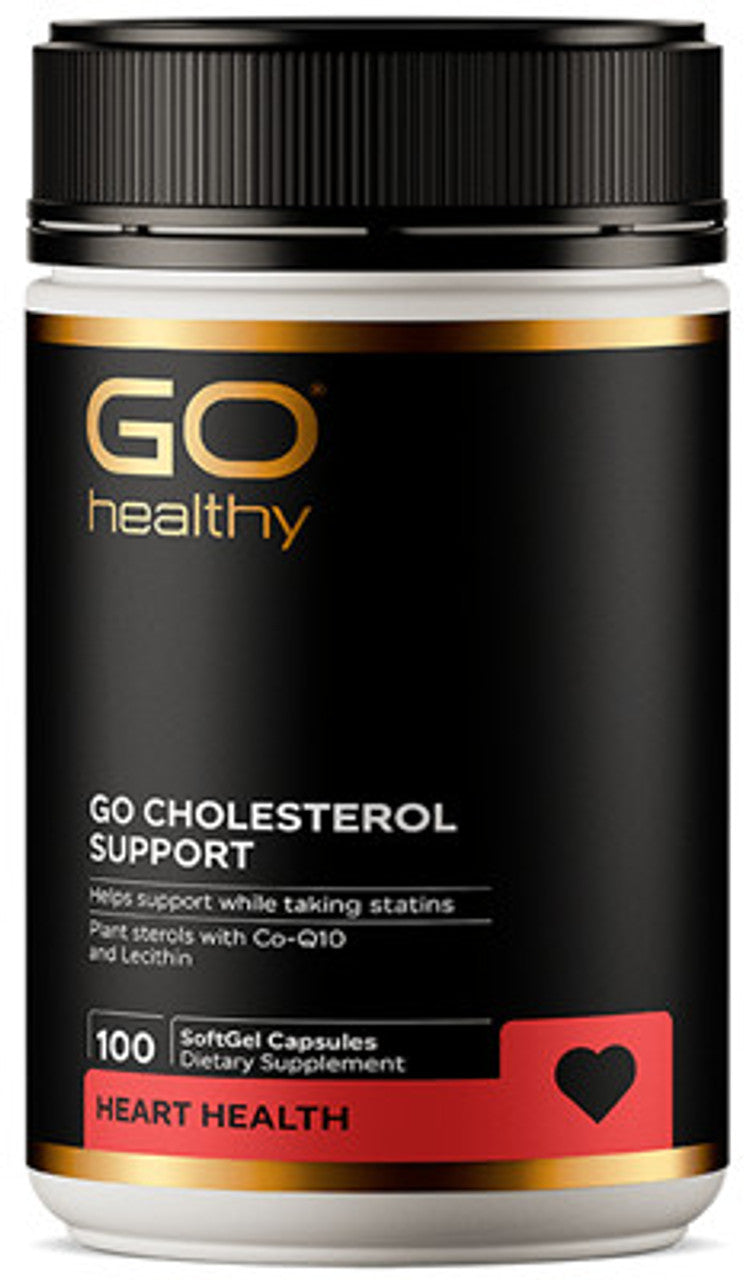
- Lecithin has been reported to decrease both the level of cholesterol absorbed from food and the level of LDL production.
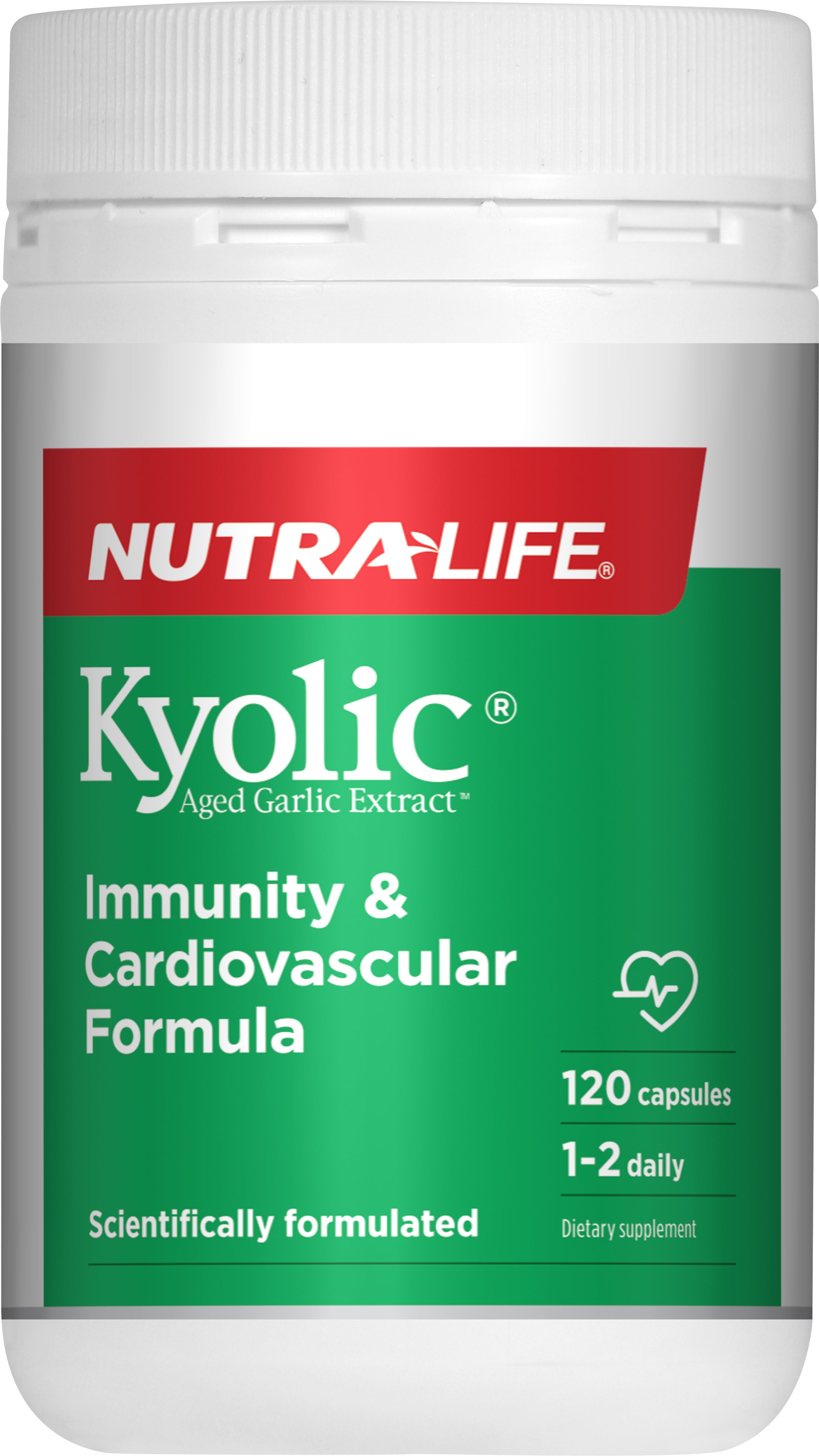
- Kyolic Garlic.
- Thompson’s Fat Blocker could be of benefit in reducing the LDL level by interfering with the absorption of dietary fat.
- Regular exercising helps to increase the HDL level.
- Quit smoking.
Treatment
In the event that the above self help options are not enough to lower the blood cholesterol levels, there are prescription medicines which have been proven to be very effective at lowering blood cholesterol level. Consult with your family doctor.
Please visit the following sites for more information:
The National Heart Foundation of New Zealand
American Heart Association
Disclaimer: This information is intended for New Zealand residents and is of a general nature only. No person should act in reliance on any statement contained in the information provided and at all times should obtain specific advice from a health professional. To the extent permitted by law, Uni-Health Pharmacy Limited, their employees and agents accept no liability (even if negligent) for any injury, loss or damage caused by reliance on any part of this information. All rights reserved. In particular no alterations, additions or adoptions of this publication are permitted without written consent of ibuy pharmacy Limited.